Best Water Resistant Materials for Camping Tents
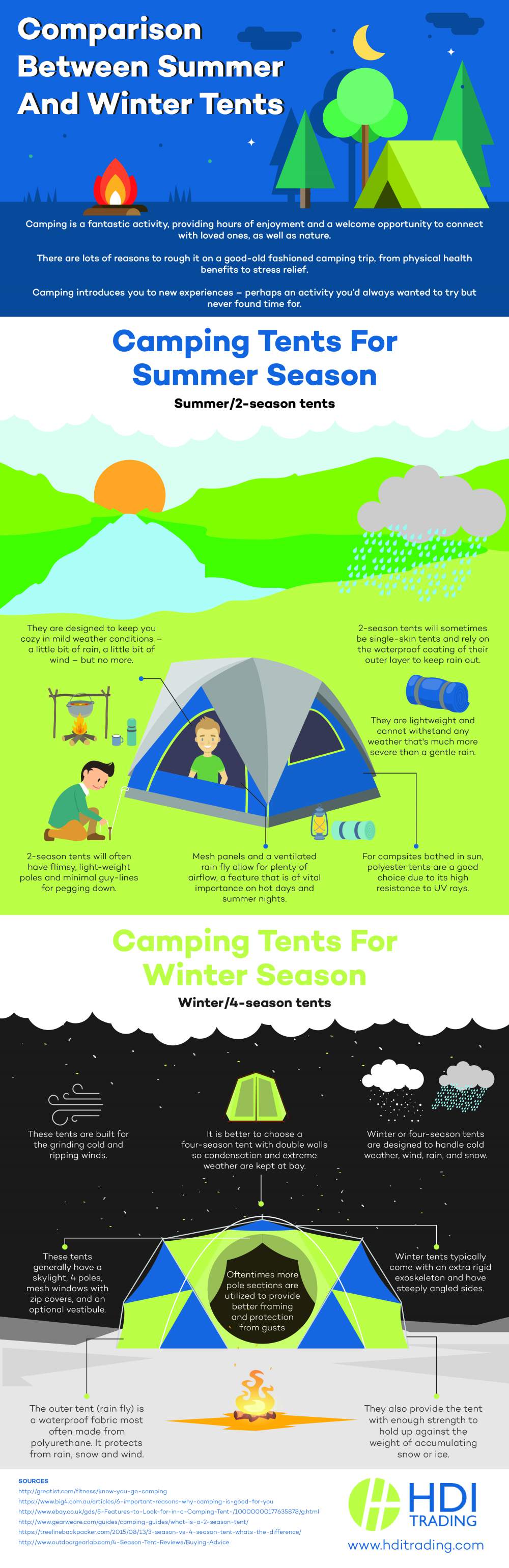
When you're deep in the wild with storm clouds rolling in, your camping tent's waterproofing is the only thing standing in between you and an unpleasant, soggy evening. Picking a camping tent with the right water-proof product isn't just an issue of comfort-- it's a matter of safety and security. With a lot of fabrics and layers on the marketplace today, understanding what really works can conserve you from getting up in a puddle. Below's a malfunction of the best water-proof materials made use of in camping tents and what makes every one worth considering.
Recognizing Water Resistant Rankings
Before diving right into materials, it helps to comprehend how waterproofing is gauged. The hydrostatic head (HH) rating informs you how much water stress a fabric can stand up to before it begins to leak. A score of 1,500 mm is taken into consideration the minimum for a rainproof outdoor tents, while 3,000 mm and above is ideal for hefty rain and prolonged outdoor use. Maintain this number in mind as you assess various tent products.
Nylon with PU Covering
Polyurethane-coated nylon is just one of the most prominent materials in camping tent production, and permanently factor. Nylon itself is lightweight, solid, and very packable, making it a preferred amongst backpackers. When coated with polyurethane (PU), it ends up being very resistant to water infiltration, typically accomplishing rankings between 1,500 mm and 3,000 mm or even more.
Benefits and drawbacks
The primary benefits of PU-coated nylon are its affordability, light weight, and respectable resilience. Nevertheless, PU coatings do deteriorate gradually, especially when subjected to UV rays and dampness repeatedly. You may at some point see the inner finish molting-- a sign it's time to re-treat or replace the outdoor tents.
Polyester with PU or Silicone Coating
Polyester is another commonly made use of tent fabric that uses superb resistance to UV degradation compared to nylon. It has a tendency to soak up much less water and holds its form better when wet. Integrated with a PU or silicone finish, polyester outdoors tents offer reputable waterproofing that stands up more than several seasons.
Why Silicone Covering Sticks Out
Silicone-coated polyester, often called silpoly, is obtaining popularity for good reason. It's incredibly light-weight, very waterproof, and does not break down as promptly as PU coverings. Silicone also makes the material a lot more versatile camping cot and immune to tearing. The compromise is that silicone-coated textiles are tougher to seam-seal and often come at a greater rate factor.
Silnylon: The Ultralight Standard
Silicone-coated nylon, or silnylon, is the gold criterion for ultralight tent materials. It combines the strength and packability of nylon with the superior water resistance and longevity of silicone covering. Silnylon tents generally have extremely high water resistant scores while maintaining weight to an outright minimum.
Best For
Silnylon is optimal for severe backpackers and minimal campers who prioritize weight savings without compromising on weather protection. The downside is cost-- silnylon outdoors tents often tend to be extra pricey than common PU-coated choices.
Dyneema Compound Fabric (DCF)
Formerly known as Cuben Fiber, Dyneema Composite Textile stands for the peak of ultralight water resistant camping tent materials. DCF is inherently water-proof without the demand for any kind of finish, making it remarkably resilient and lasting. It's incredibly solid for its weight, tear-resistant, and does not take in wetness at all.
The Costs Selection
DCF camping tents are favored by thru-hikers and serious exterior fanatics who need the lightest and most sturdy sanctuary possible. The significant downside is cost-- DCF outdoors tents can cost several times greater than standard nylon or polyester choices. However, for those who spend weeks or months on route, the financial investment typically pays off.
Canvas and Cotton Blends
While not ideal for backpacking as a result of their weight, canvas and polycotton blend tents continue to be prominent for vehicle outdoor camping and glamping. These products offer superb breathability, which minimizes condensation inside the tent significantly. When appropriately treated with water-repellent finishes, canvas outdoors tents can manage rain properly while supplying a comfortable, temperature-stable inside.
Seam Sealing: The Often-Overlooked Variable
No matter exactly how waterproof the textile, a camping tent is just comparable to its seams. Also the most innovative materials can allow water in through needle openings along seams. Constantly check whether an outdoor tents includes factory-taped or seam-sealed joints, and think about using seam sealant yourself for older or spending plan designs.
Last Thoughts
The most effective waterproof outdoor tents material depends totally on how and where you camp. For informal weekend warriors, PU-coated polyester or nylon uses excellent value. For ultralight adventurers, silnylon or DCF deserves the investment. And for base camp convenience, canvas remains a classic choice. Whatever you select, understanding the product beneath your shelter aids you camp with confidence-- rain or shine.